Almost Body
Qian Zhong
16 September — 31 October 2026
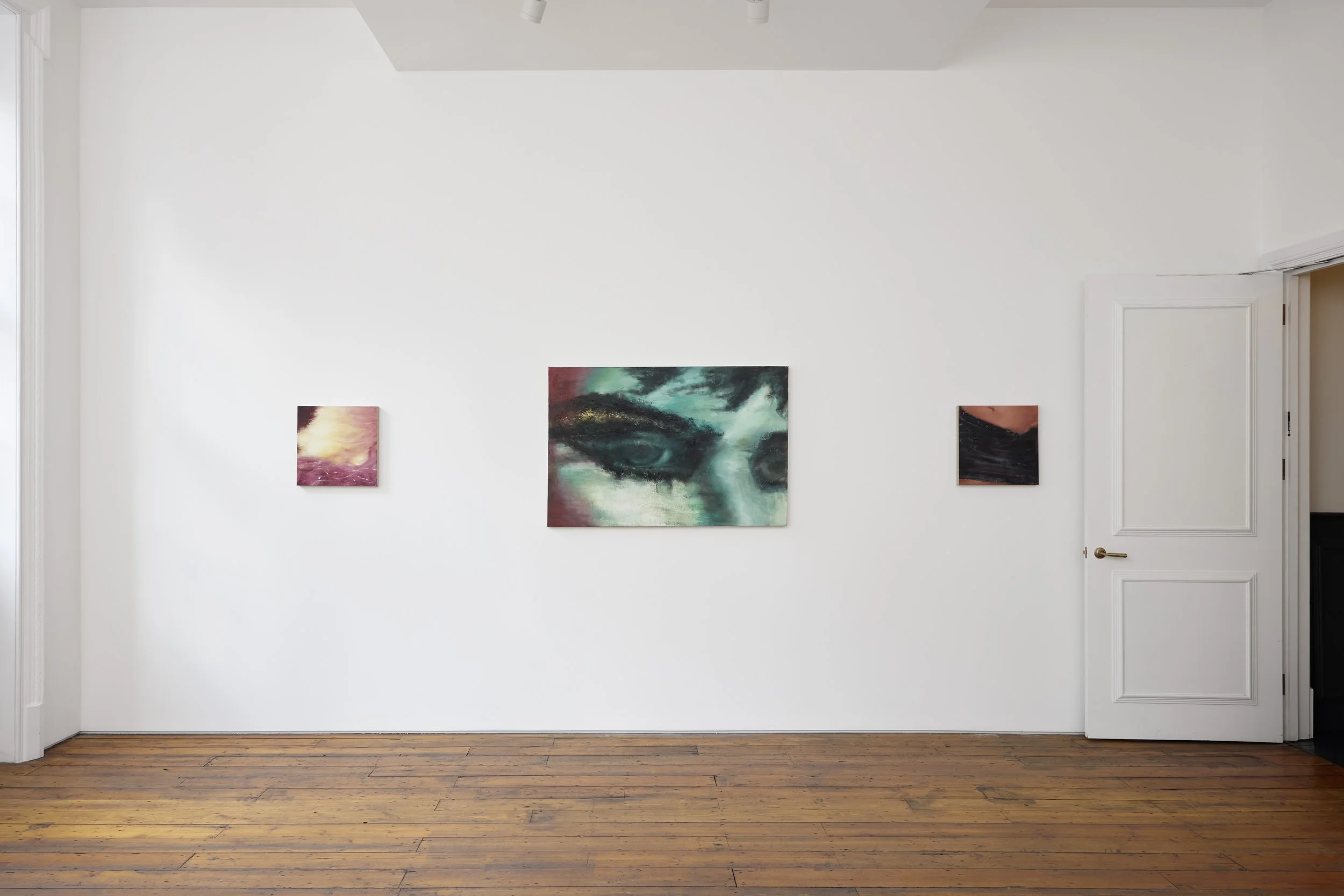
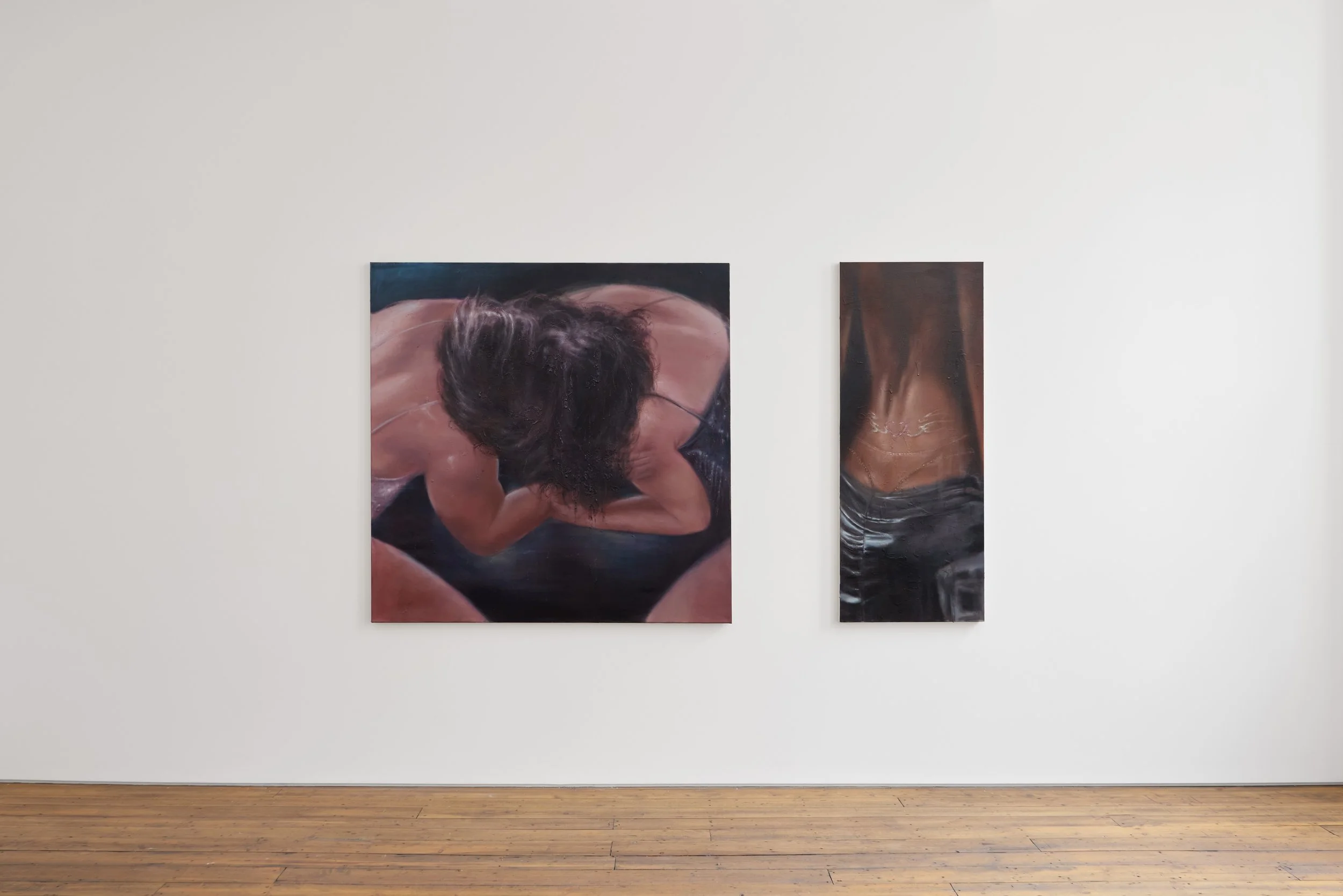
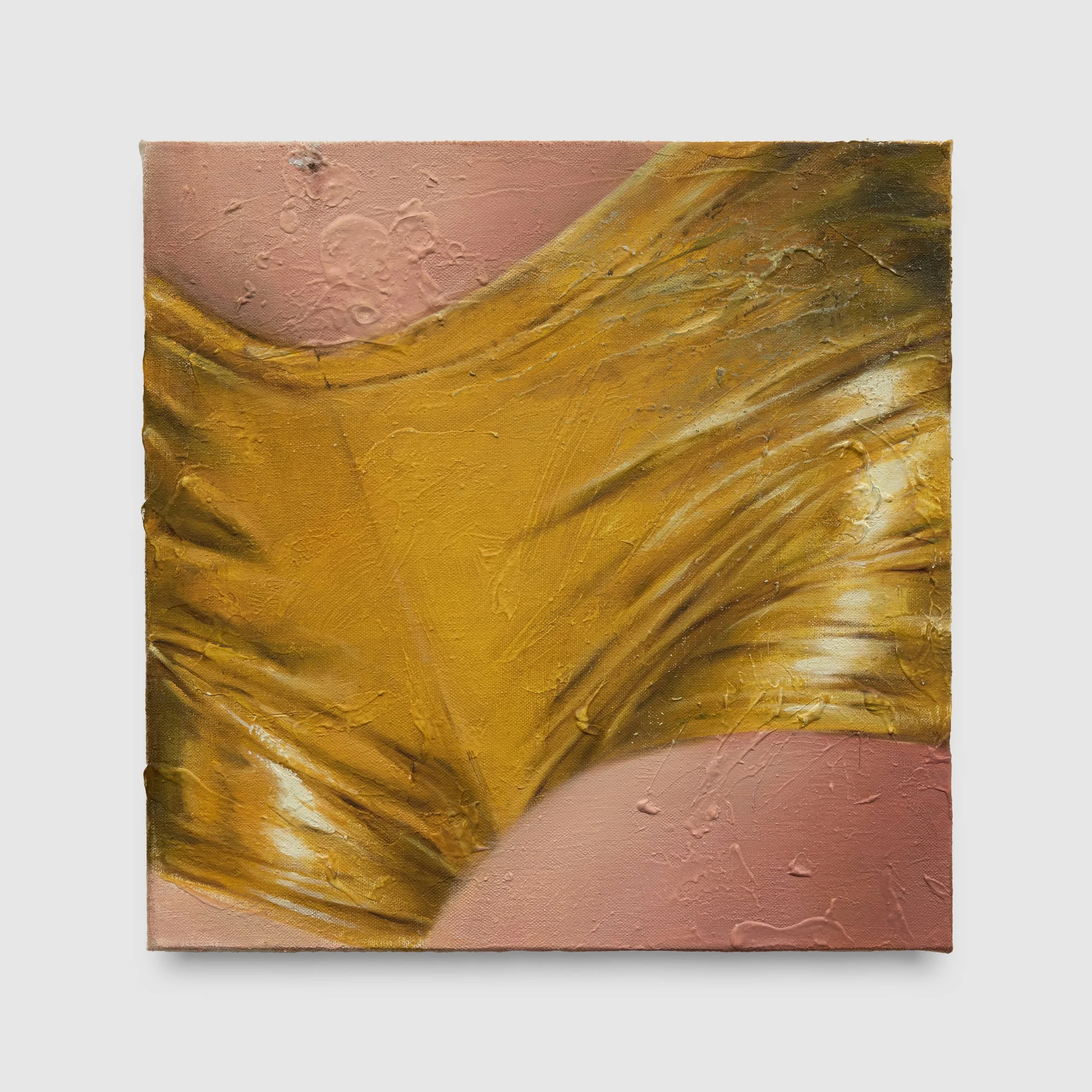
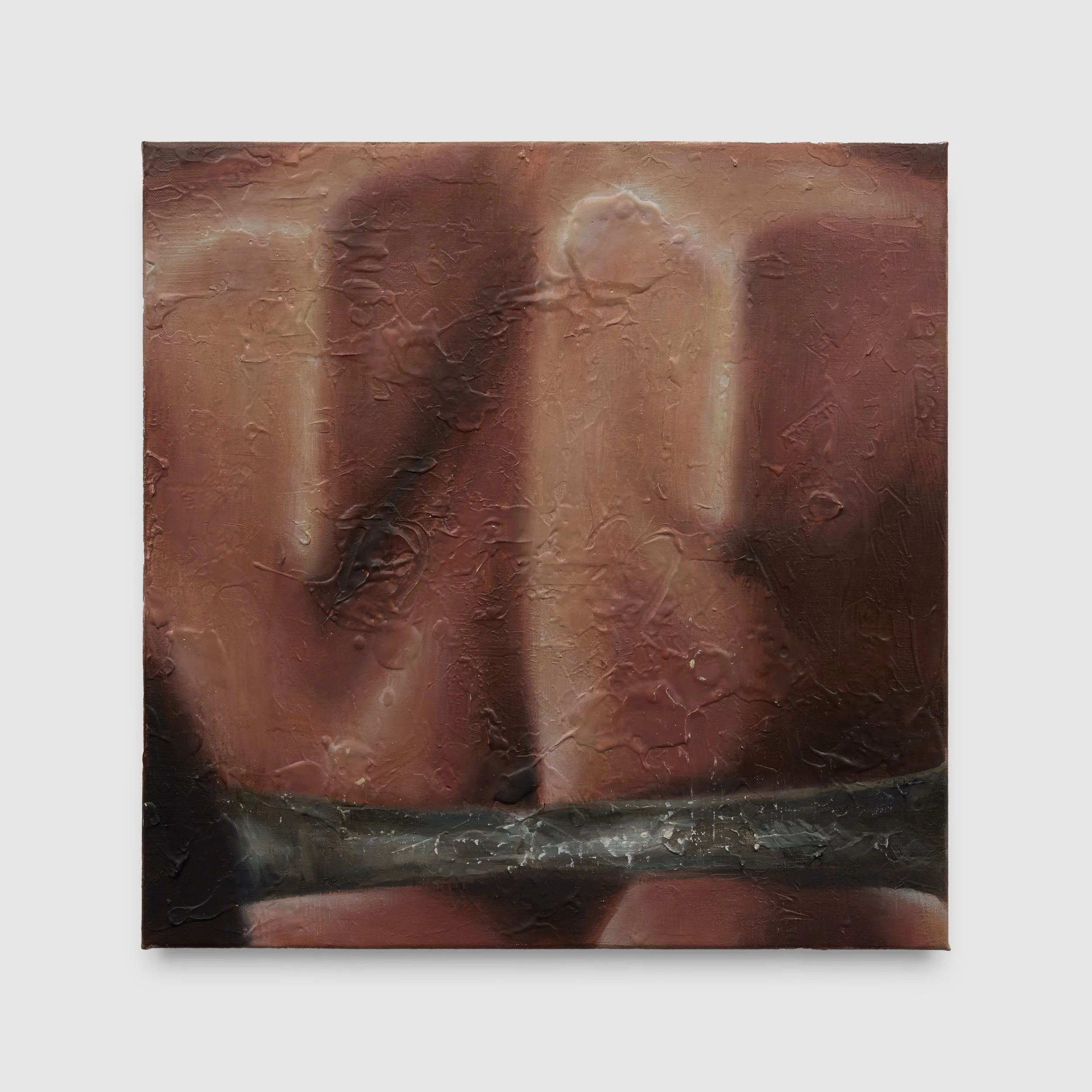
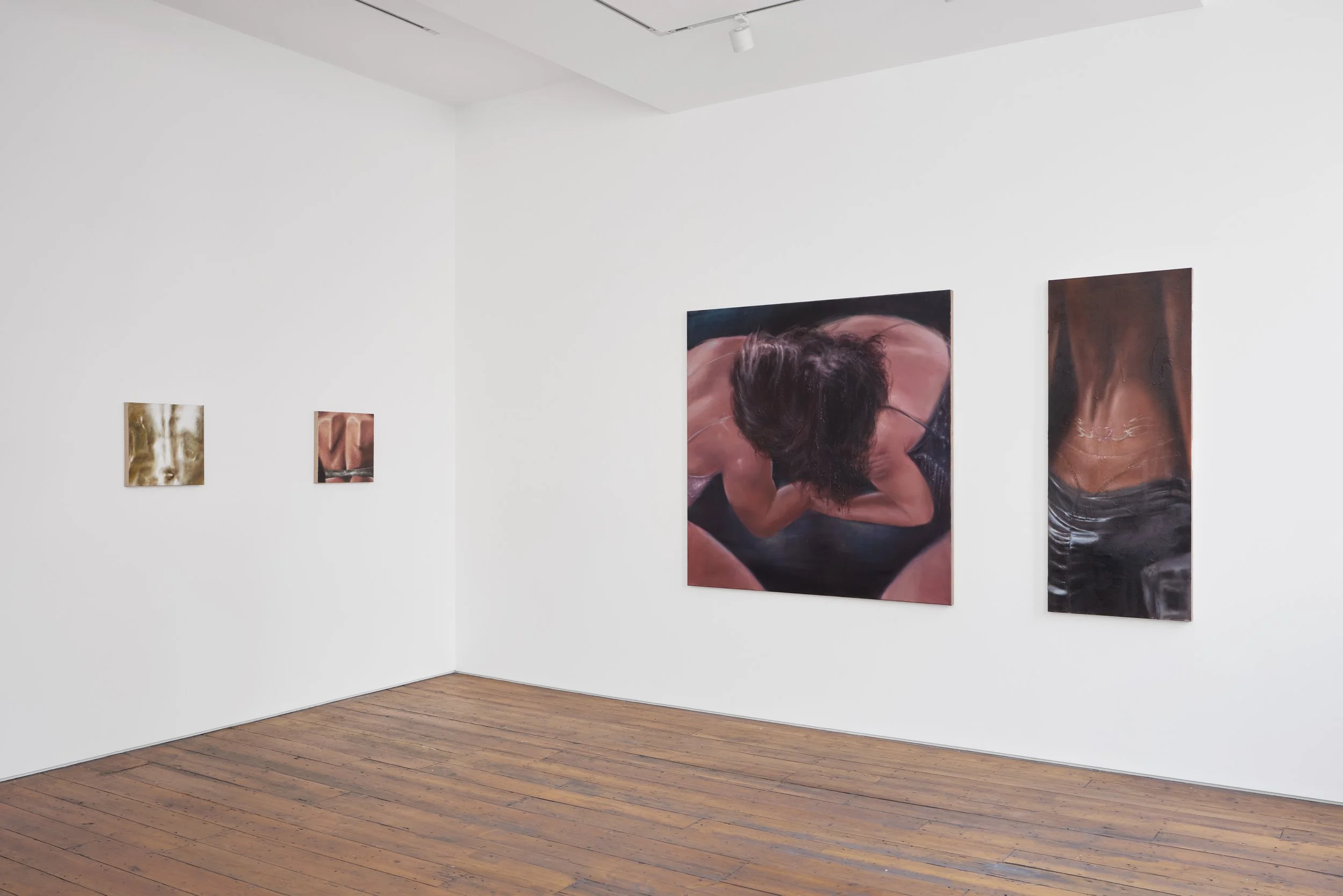
Moving bodies dance and weave across the canvases, merging into one another through repeated brushstrokes that build on the linen creative movement even in the texture. Shoulder blades glint, stomachs twist and the spandex fabrics fold; the body is something to be viewed beyond corporeality into something that is not entirely solid, not entirely fixed.
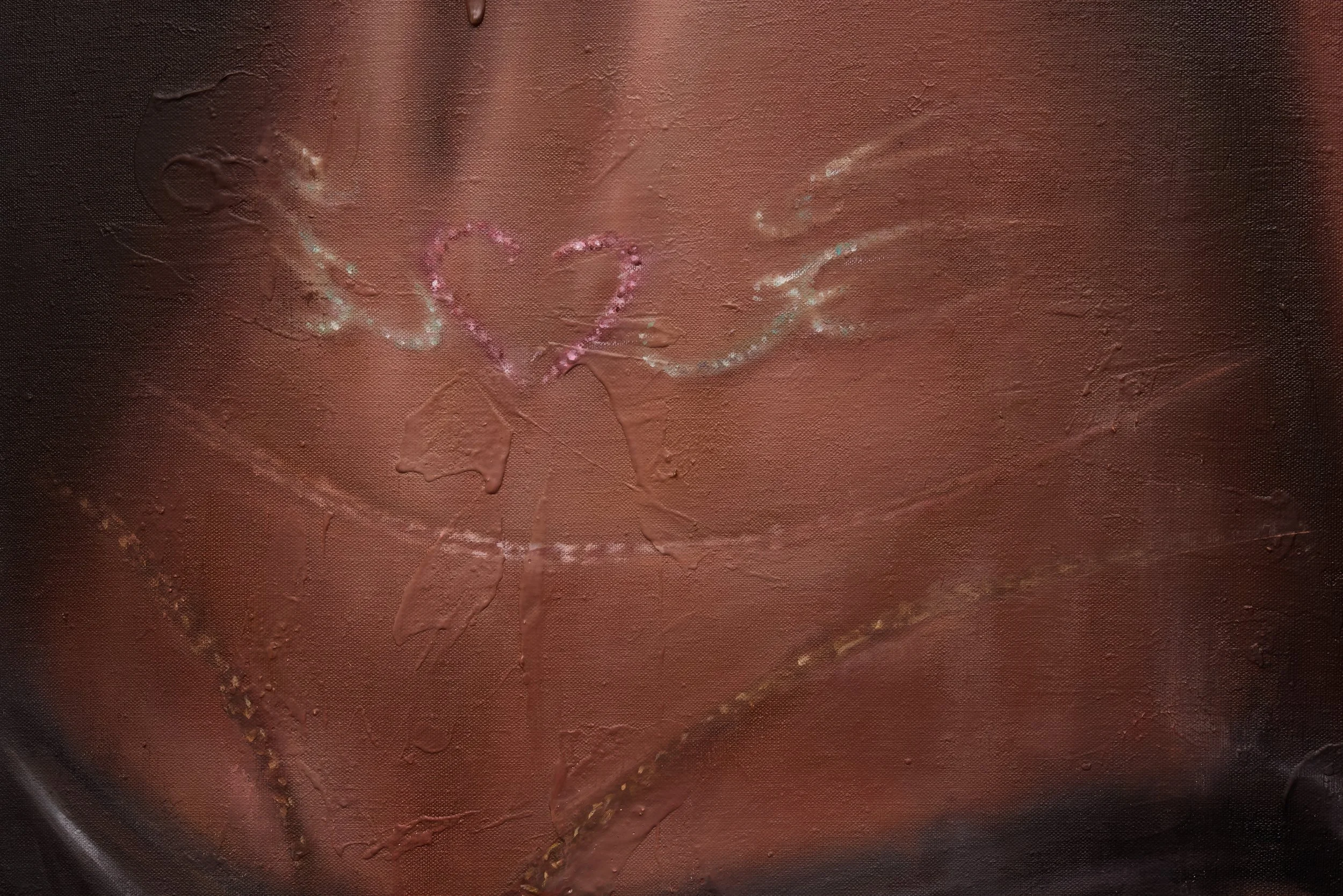
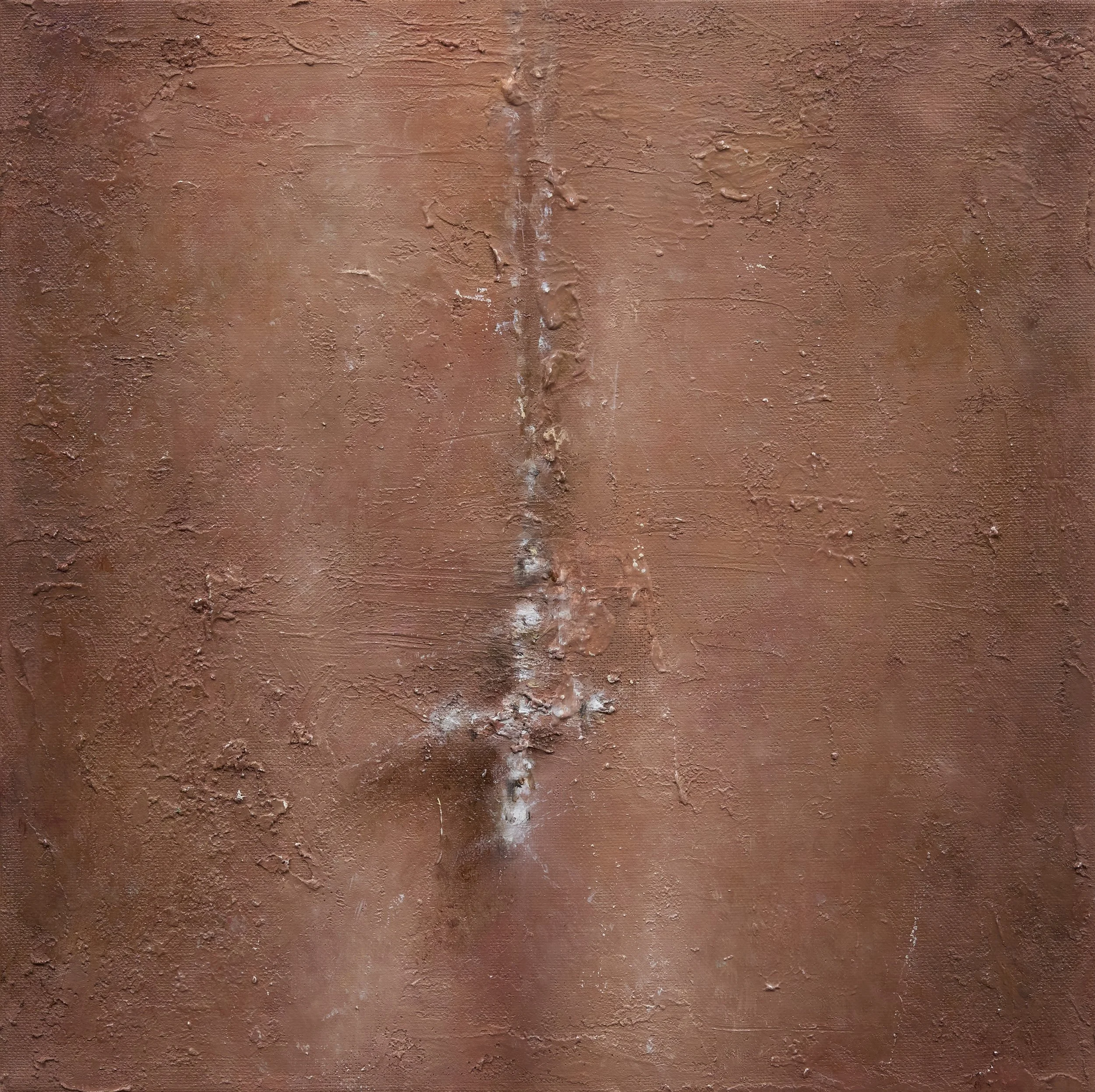
This ephemerality is strengthened in the very rendering of the work. The use of close cropping in photographic style removes the wider context of the scene and creates a sense of ambiguity around the distinction between body, clothing, skin and paint. The texture of the paint too, which has become increasingly important in the artists’ work, further lends to this sense of fractioning between bodies. Certainty dissolves into texture and fragments of paint. Whilst the images themselves may evoke a sense of nostalgia or look familiar, the use of building brushtrokes and texture calls into question the certainty of the image once more, and by extension the boundary of the body.
Nightlife, performance and queer-coded spaces are part of the visual world through which Zhong can create works that speak to the body as a condition rather than an object. It is a site to explore uncertainty, where attraction begins to unravel, desire, glamour, the seductive promise of appearance, joy, strength, and ultimately where the body is no longer clearly defined. These concepts reach their apex in one of the largest works in Zhong’s solo presentation, Almost Body. The wrestling series, rather than connotations of violence, evokes the sensation of bodies colliding, overlapping and becoming increasingly difficult to separate.
She asks what remains of us after desire, and it seems her answer is that bodies become boundaryless. The artist is not interested in displaying a stable body, rather more is interested in the particular moment where it begins to dissolve into something less certain. The clothes glimmer over skin, suggesting impermanence, where tattoos inked onto flesh suggest the opposite, and jewelry carrying symbolic and religious heavy weight dances over a cleavage, suggesting something in between.
Imbued and heavy with meaning, on its way to becoming something else, the bodies in Zhong’s canvases are in the process of becoming, loosened by the brushstrokes themselves, into something freer.