Briefly Gorgeous
Aarony Bailey, Ada Bond, Olivia Bryant, Juno Calypso, Daisy Collingridge and Morgane Ely
4th March - 18th April
“Not just wellness, prettiness, niceness, a highlight on the tip of your nose” - Maude Veilleux quoted in Daphné B’s ‘Made-Up’
Inspired by theories in Naomi Wold's' The Beauty Myth’ and Daphné B’s ‘Made-Up’ this exhibition explores the brevity of beauty as an intense lifetime of dedication to female beautification that turns out to be so temporary. Once beauty, so interlinked with youth, is achieved, it has already slipped through our fingers. Before nature or a new trend runs its course, the bar is raised ever higher in a bid to ensure women stay dealing with beauty as their social currency, damned to be concerned with their appearance over everything else.
This, alongside the idea that women are pitched against one another to compete for the crown of beauty, is one reading proposed by the artists in this exhibition. The other, starkly different, sees make-up as a reinventing force, and positioned as a place of safety for women and the queer community to bond over together. The connection a lip liner in the club bathroom can bring should not be so easily undermined solely for the fact it is seen as a feminine pursuit. In this line of thinking, in an industry that is more than ever run by women, beauty can be seen as an act of defiance, if it were not for the sticking point that it was started by men, being a hard shadow to shake.
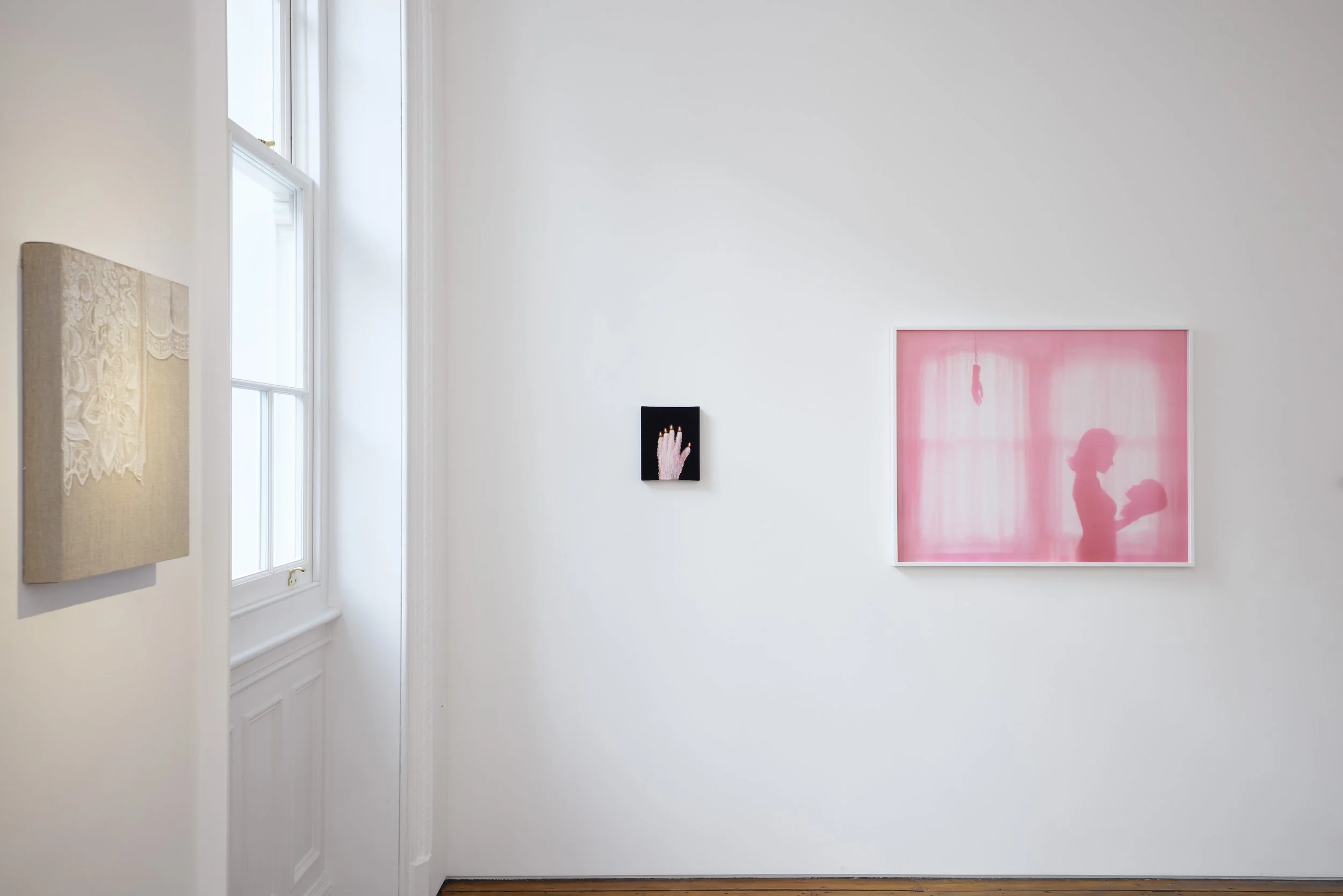
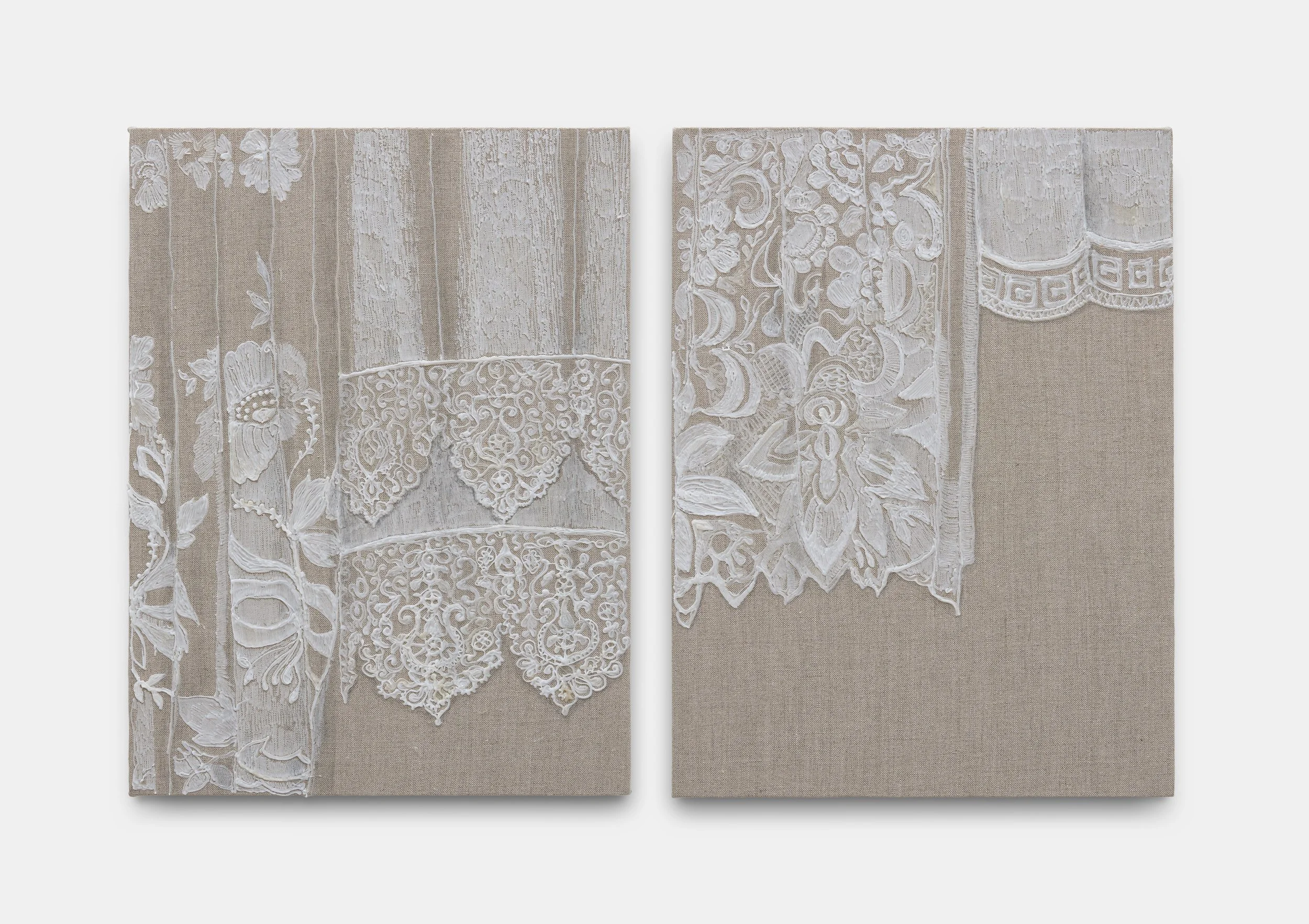
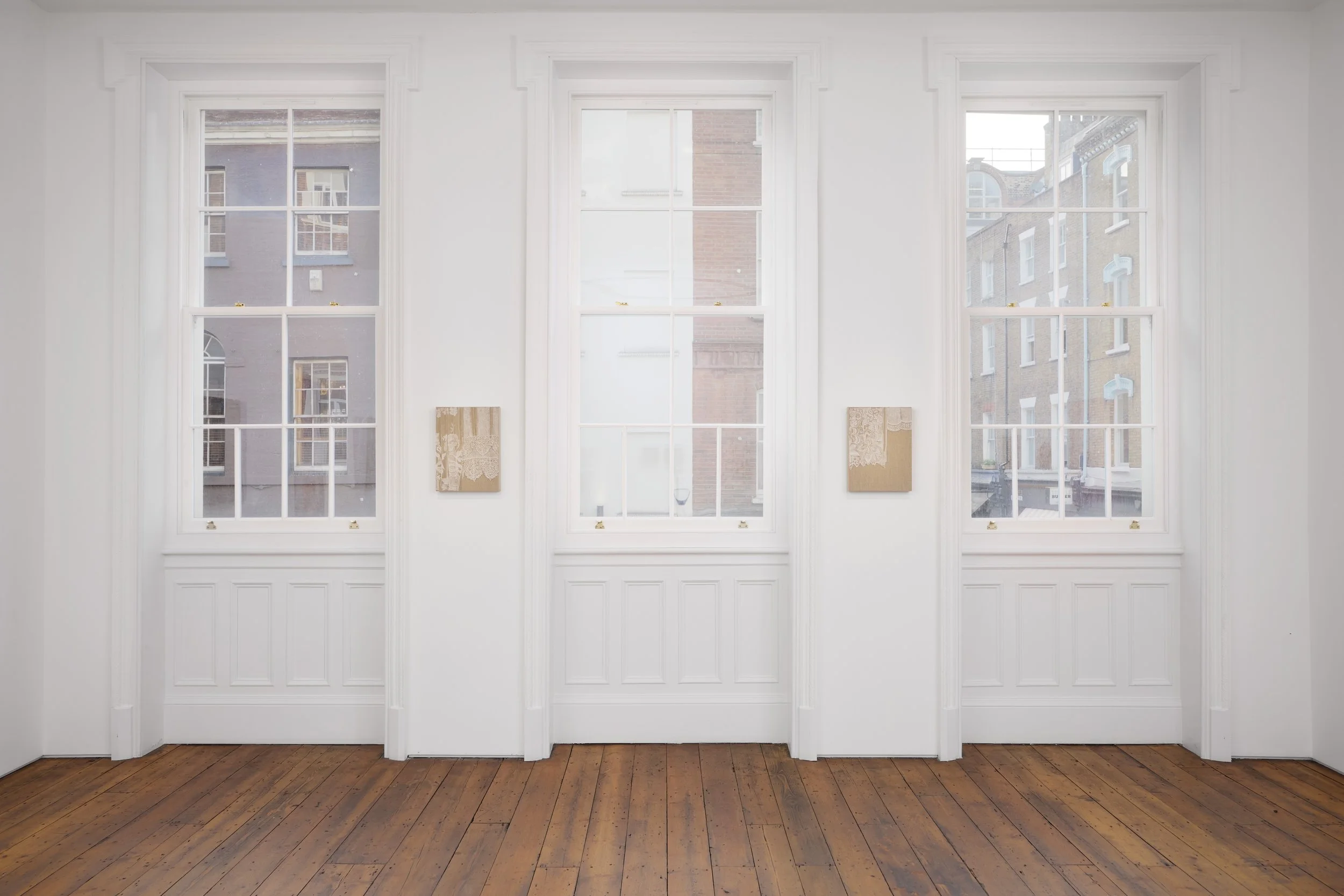
This contrast of opposing thought slips through Olivia Bryant’s white net curtains, gluey on the linen canvas. The work becomes a symbol for the ephemeral nature of beauty, ever moving through our grasped fingers. Echoed in the process itself where she hand draws the intricate lattice patterns with a 3D printing pen directly, over and over again to the surface. A repetition known in beautification, whether it's in the routine of daily practice, or the practicing of an eyeliner flick, reminds us there is almost a sense of madness in the repetition.
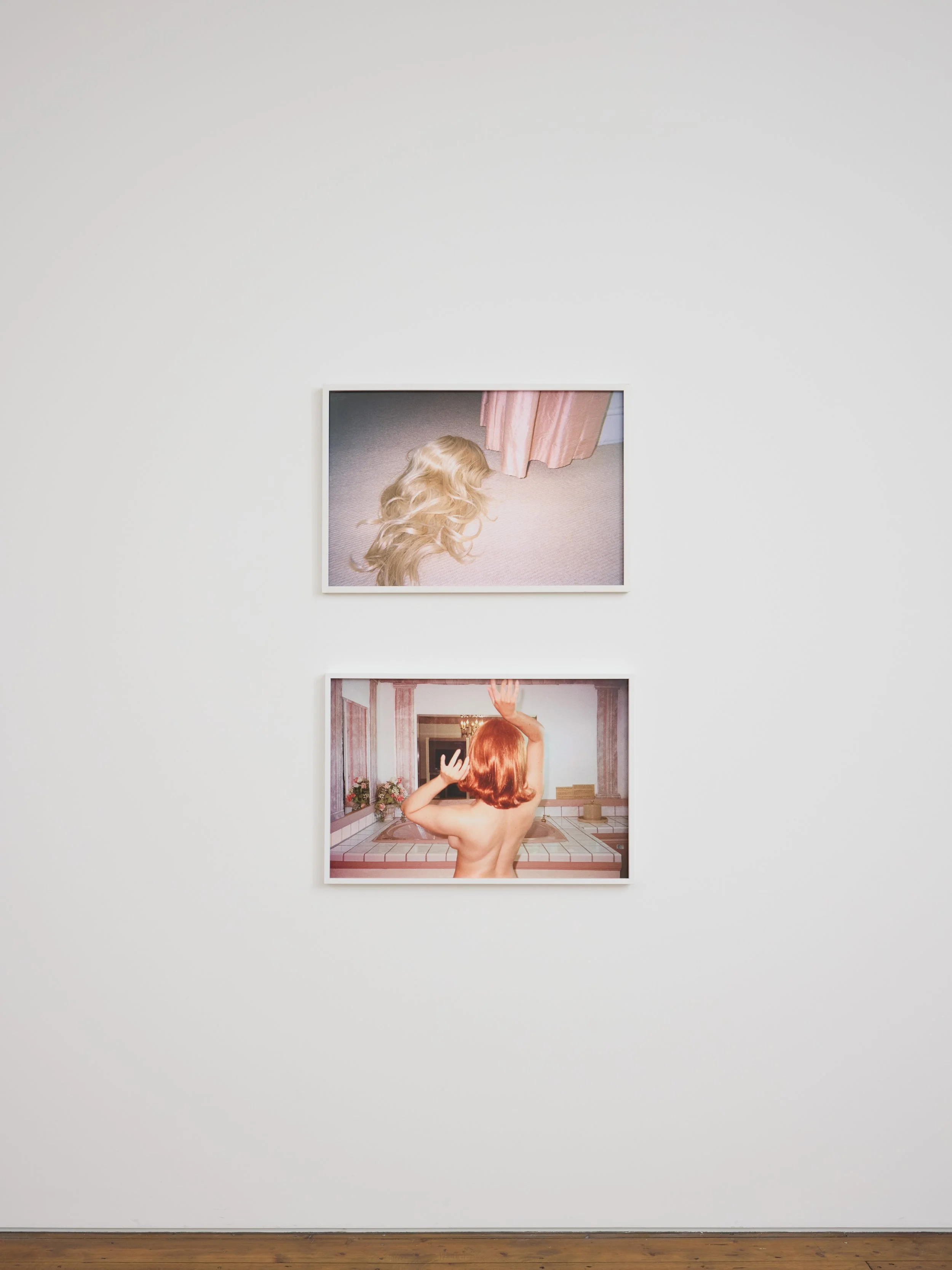
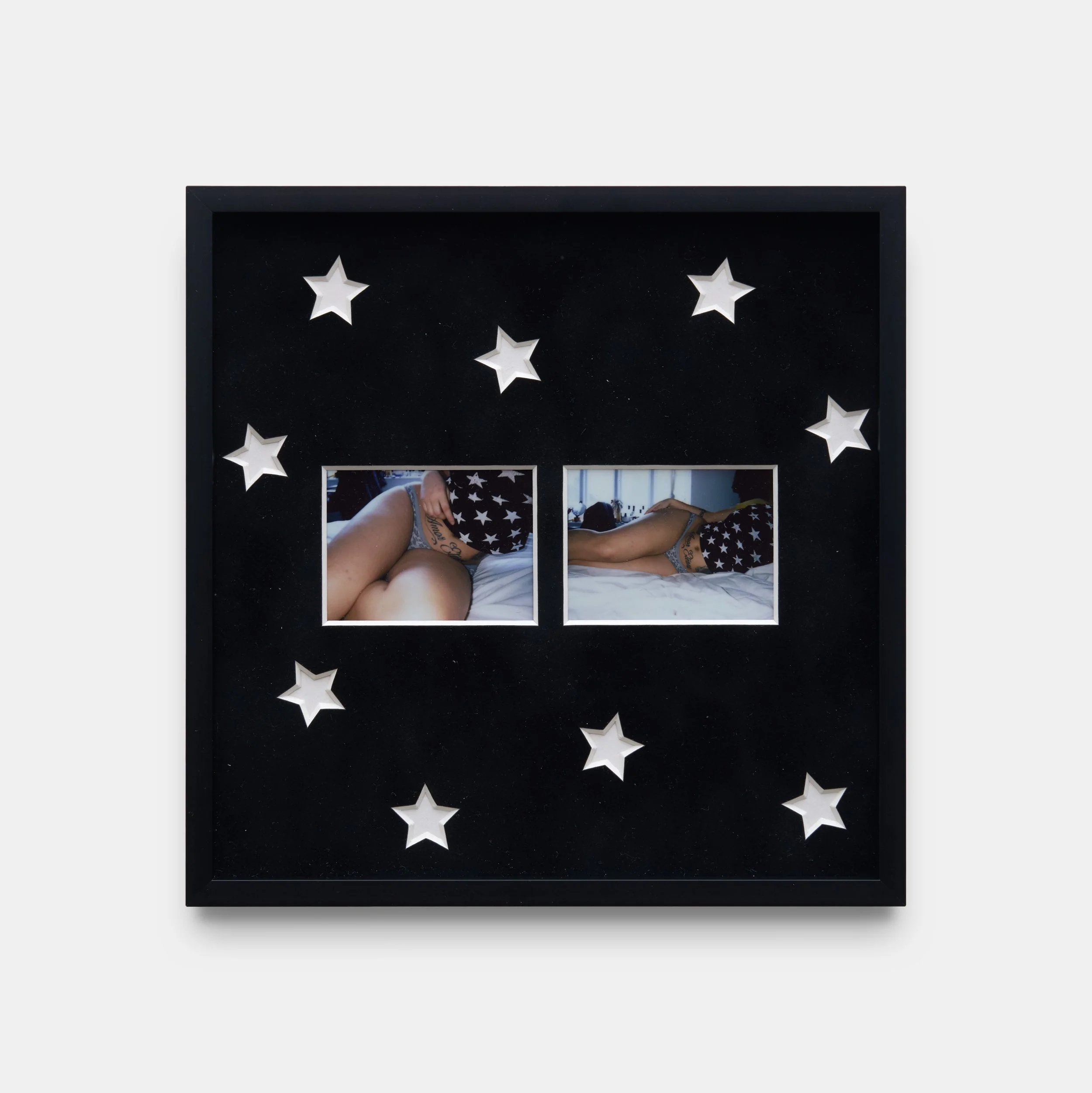
An eerily poignant point which also flits across Juno Calypso’s work, too. In her perfect pink unsettling world, the women pose with perfect pink rose coiffed hair, fingernails sharpened to a point on the end of a peachy pink skin body, whilst the rustles of the same curtain motif, at once mask and reveal. The price of beauty seems so astronomically high in Calypso’s work that it seems otherworldly.
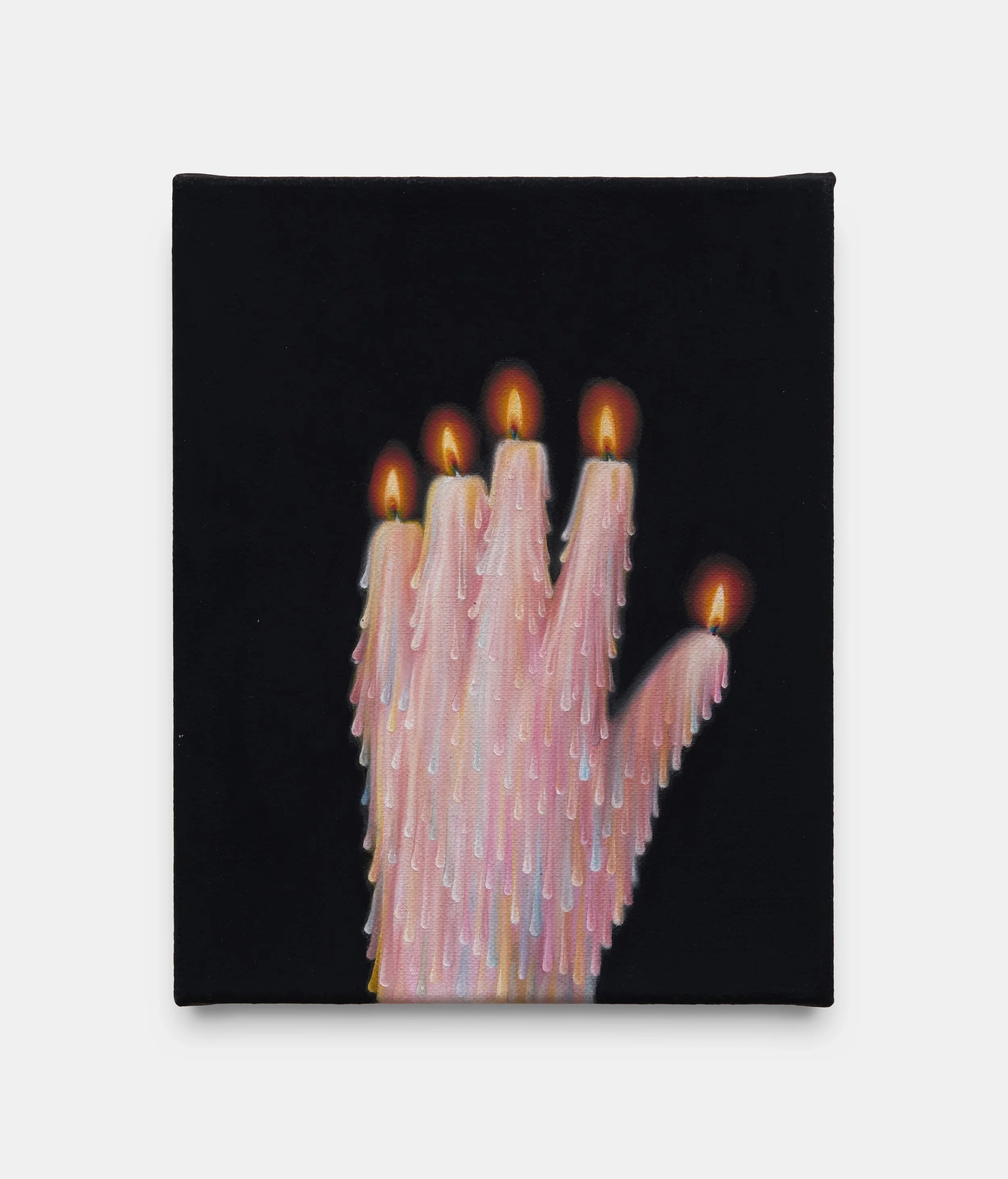
This disconcerting nature creeps across all the works in the exhibition, perhaps because the position of beauty depicted by the artists is so precariously subjective. Something seen so clearly in Ada Bond’s symbolic candle hand. Lit, with wax dripping down, we are reminded that the hand that beautifies will itself too be subject to the passing of time. Youth escaping us, beauty will quite literally slip through our fingers, always just out of grasp.
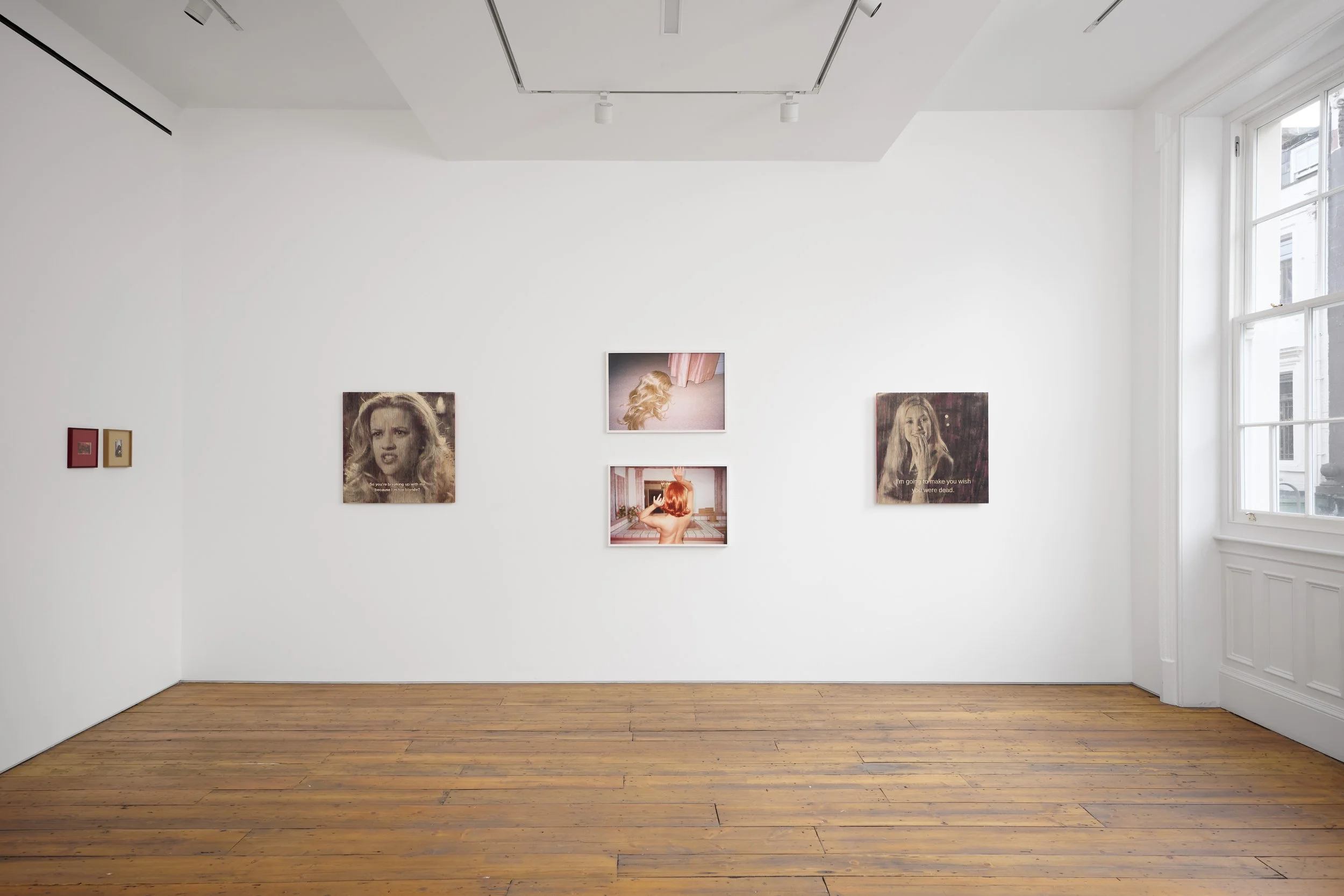
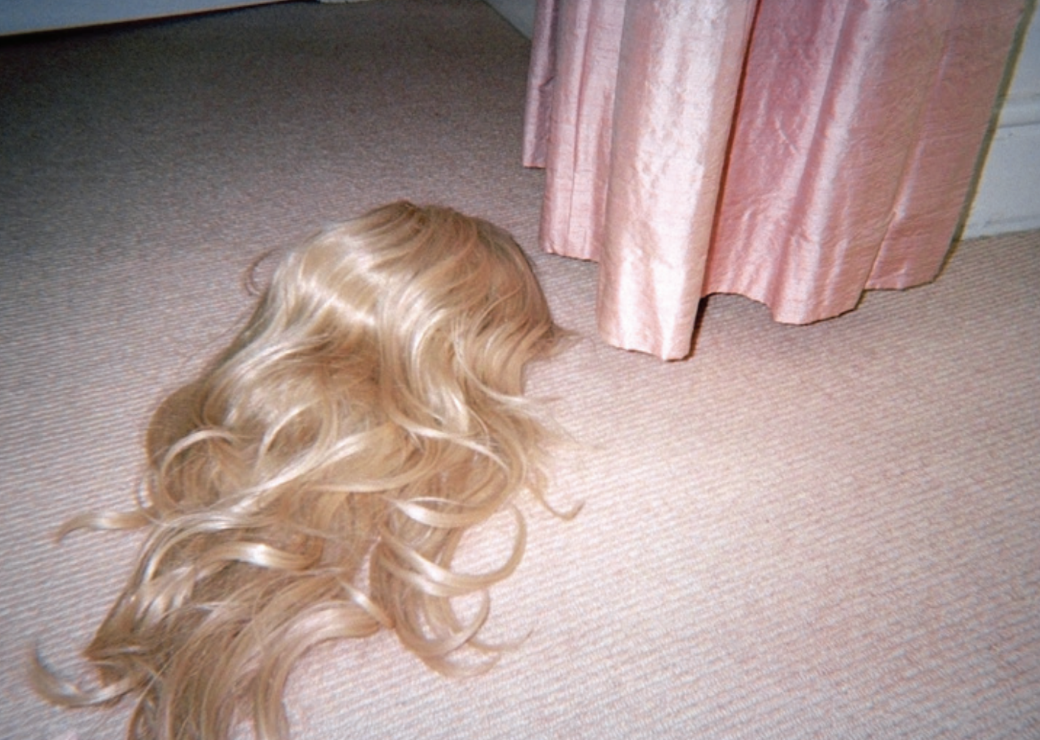
A solemn blonde wig cast off on the floor of Calypso’s work offers a sense of rebuttal, which is picked back up and pruned with bows in the work of Aarony Bailey’s photo series, ‘Get ready, go out, have fun’.
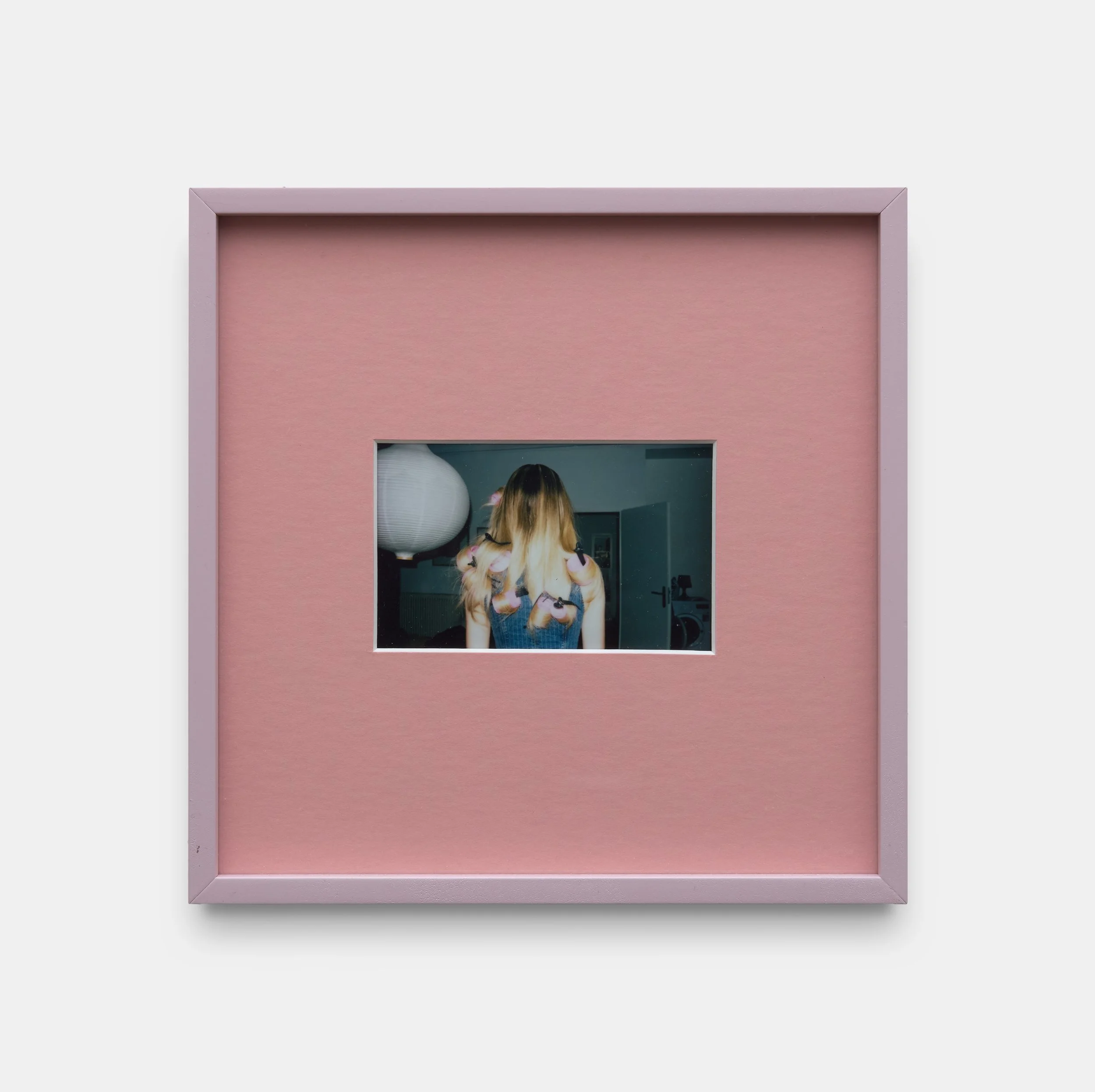
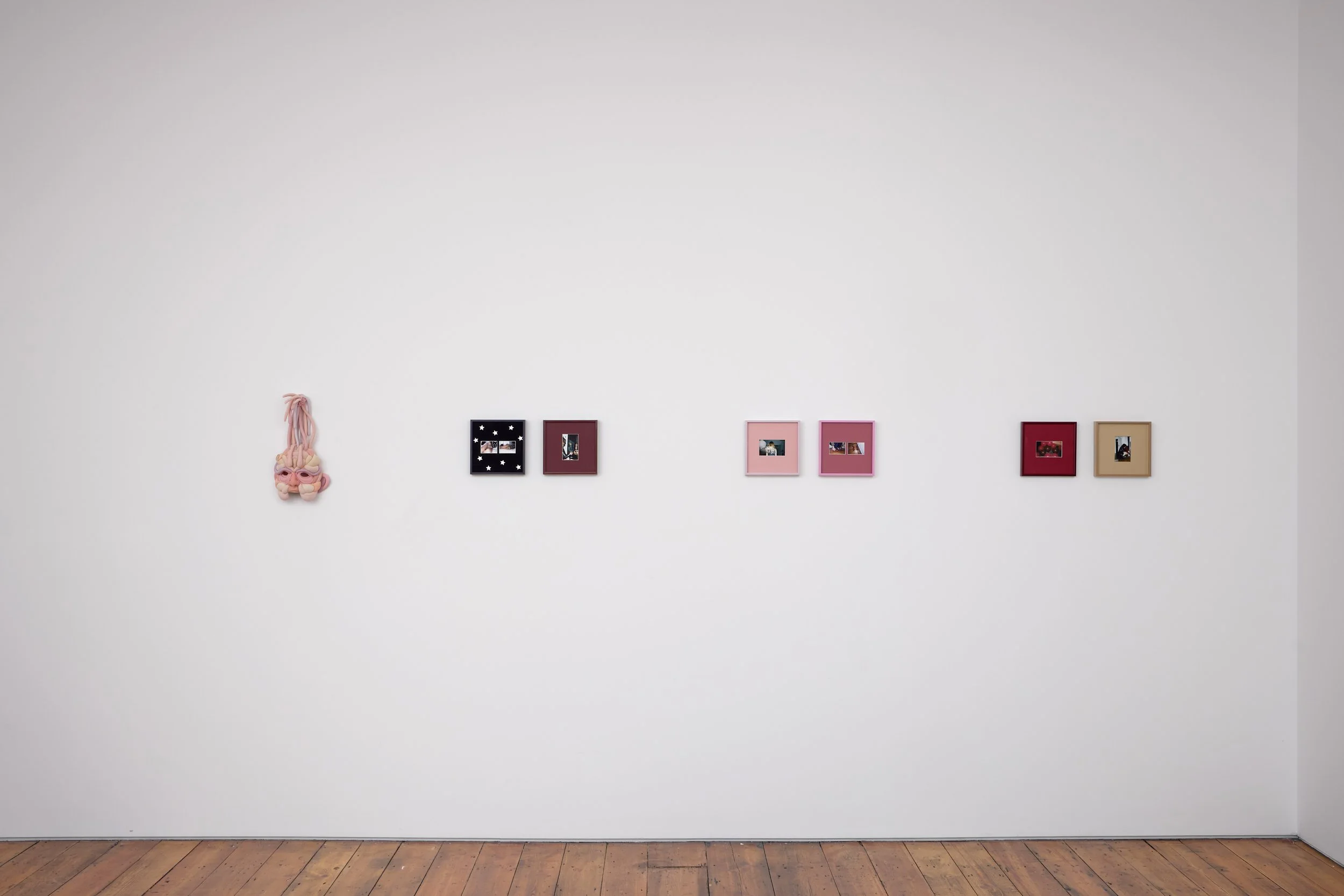
Bailey captures her friends in the giddy twilight hours of getting ready in your early 20s. Texturally framed, the girls are pictured trying on shoes, outfits, celebrating with balloons, drinks and cigarettes; girls on the cusp of womanhood are bound in a sense of togetherness through beautification.
We consider for a moment, if all this beautification is really so bad. It binds us, it makes us feel good, together, and somewhat nostalgic - especially considering the cultural zeitgeist of forever being ‘just a girl’, in tender moments in the popularized tik tok trend, ‘we were girls together’.
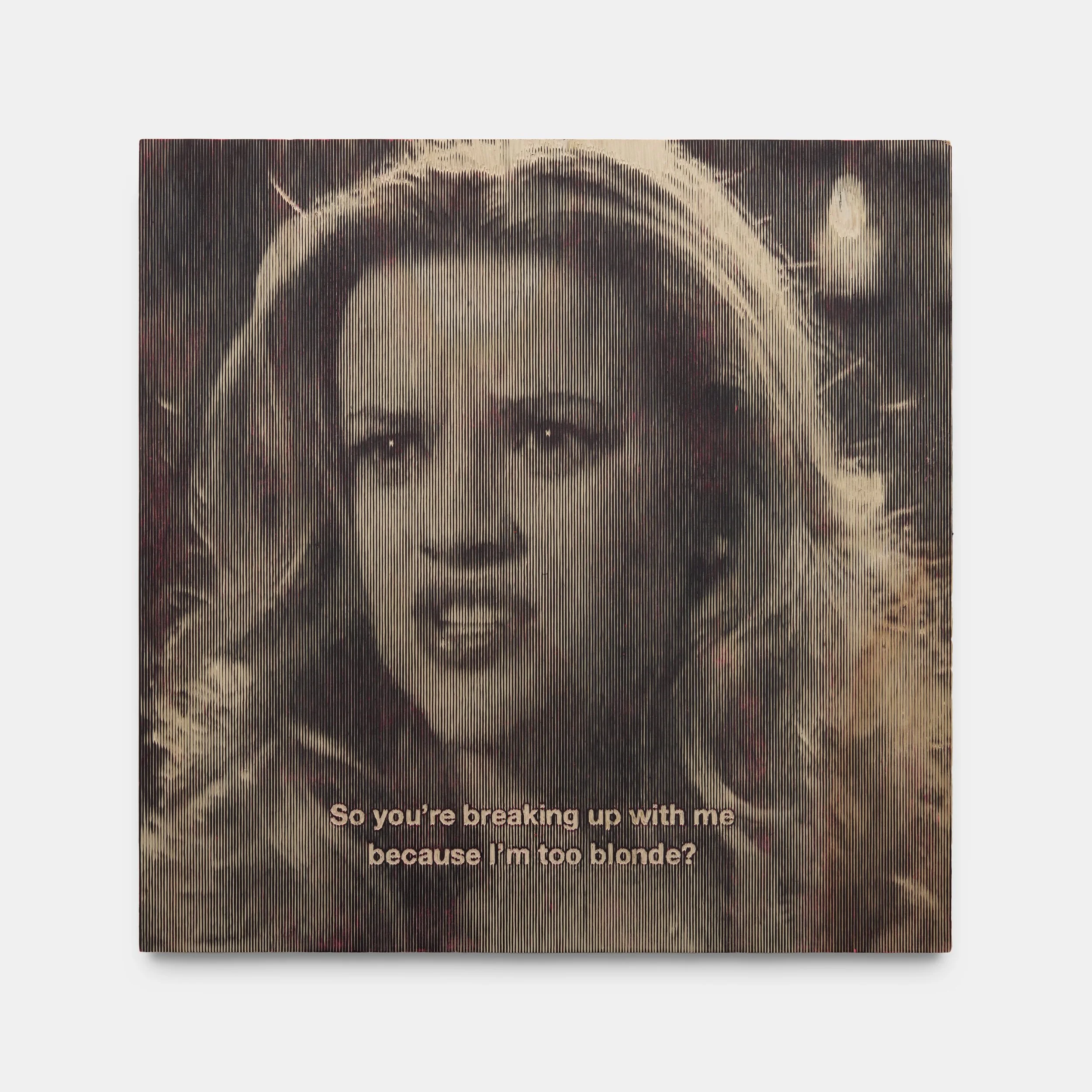
Straddling the cultural zeitgeist too, is Morgane Ely. With repetitive marks, like Bryant, Ely, gouges and scrapes and carves the wood to reveal a shiny cinema scene with popular rom-com quotes and their protagonists. ‘So you’re breaking up with me because I’m too blonde?’ asks a glossy Elle Woods, whilst Andie Anderson claims, ‘I’m going to make you wish you were dead’, both using their appearance and male rejection to their advantage as the storytelling lynchpin for their successful rise.
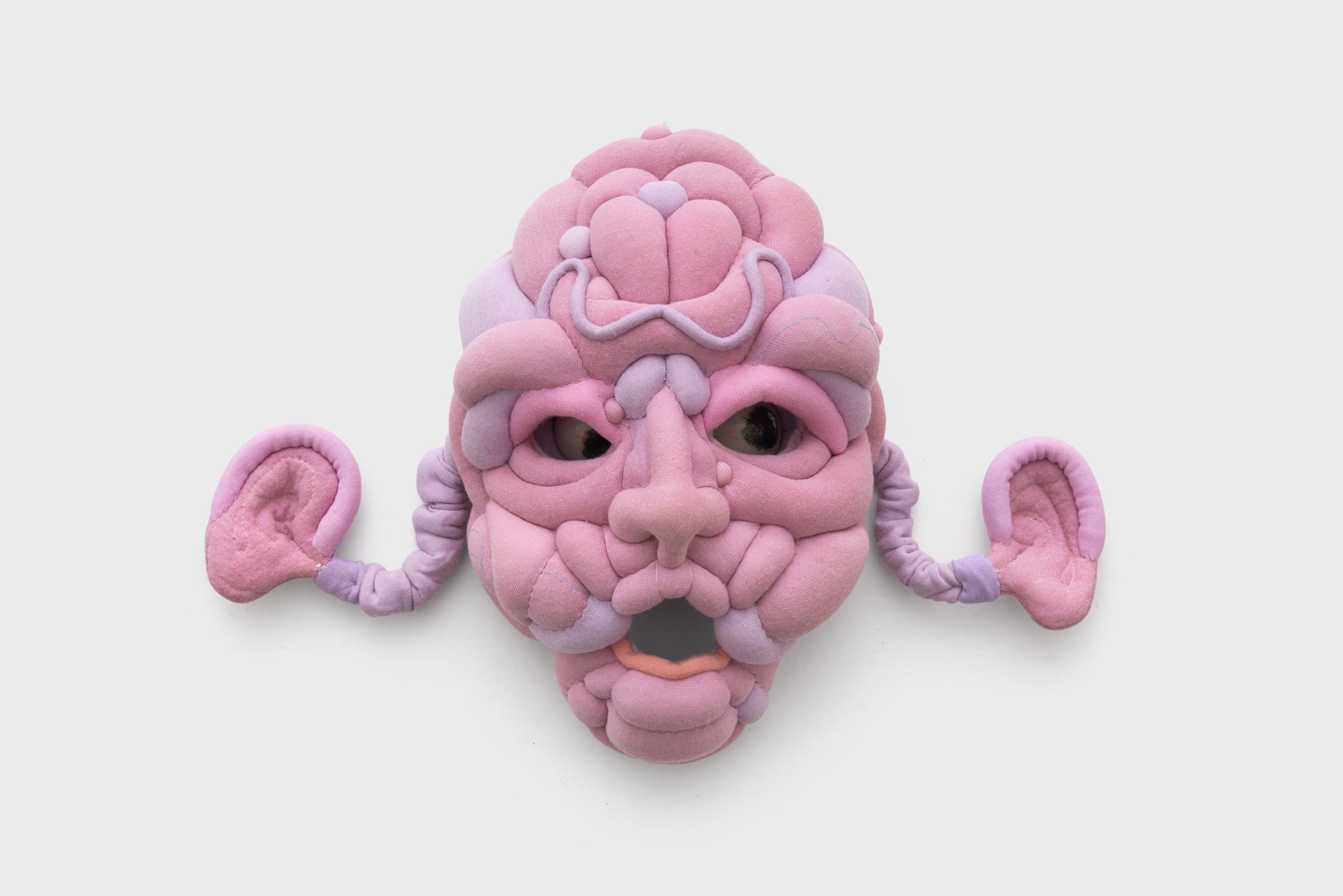
The notion of hiding behind a glossy facade threads through this exhibition, and it is pertinent in the work of both Bond and Daisy May Collingridge. With Bond’s masked face with beautified eyes and lips peeping out, and the squishy almost grotesque folds of Collingridge's soft sculptures, there is this sense of keeping our true selves tucked away, safe. Collingridge provides a characterful antidote to the ideal female form in playful technique, that she herself at times can disappear into via her performance art.
Nuanced and far from solvable, it’s obvious we are all competing and playing a game that ultimately binds us - but there is some solace to be found in the way beauty can, for brief glimmers, be a connecting force that binds us in some sort of half- painful, half-joyful sisterhood club - and a realisation that we are dancing beautifully, just in a box built by limitless, never-ending rules.